
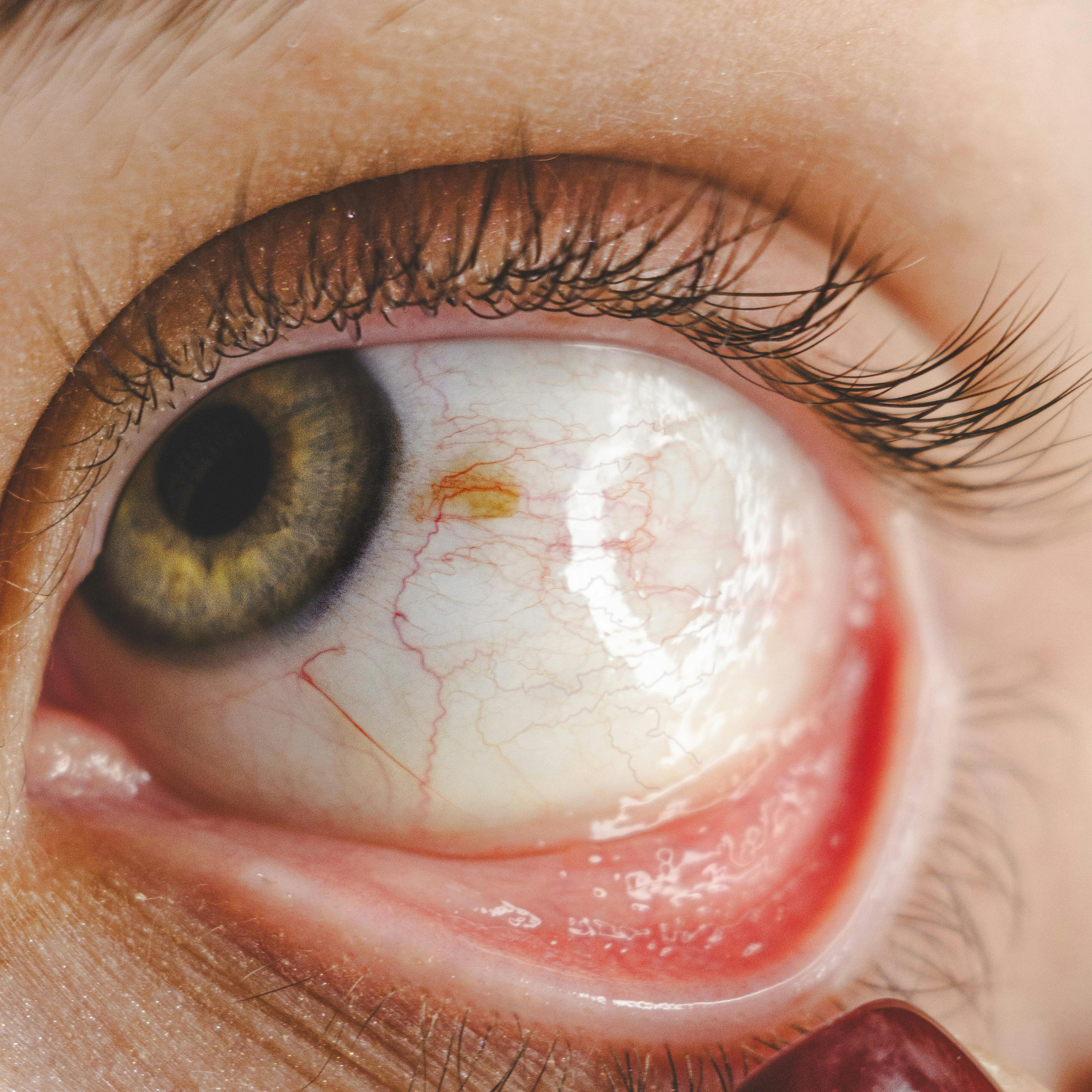
Recent findings indicate that earlier detection and a personalized multidisciplinary approach should be the focus of future directions in managing Conjunctival squamous cell carcinoma (CSCC) to reduce its prevalence.
This is according to a study carried out by researchers from the University of Nairobi titled Conjunctival Squamous Cell Carcinoma: A Clinical Review of Diagnostic Features, Genetics, Current Management and an Update on Targeted and Immunotherapies, that underscores the need to understand the condition broadly so as to manage it effectively as its treatment is not linear or standardized.
According to this study, there has been an increase in prevalence of the condition globally especially after the COVID-19 pandemic.
CSCC, is a type of ocular cancer affecting the eye's surface, which poses a risk to vision and can be fatal. This condition is more prevalent in tropical climates like those found in India and Africa, whereas it is less common in temperate regions.
Major drivers that facilitate the development of this condition include UV radiation exposure and immunosuppression for example due to HIV infection or post organ transplantation.
According to this study, the combination of the two explains the prevalence of the condition especially on young women in Africa.
Other factors that trigger CSCC include cigarette smoking, chronic inflammation and vitamin A-deficiency.
The treatment for invasive CSCC varies considerably between medical facilities but mainly includes surgical excision and/or adjuvant cryotherapy, topical chemotherapy, brachytherapy, proton beam radiotherapy or external beam radiation. For advanced cases with local tissue invasion nucleation, or radical orbital exenteration
According to this study, invasive CSCC can be identified by a growth with/without pigmentation on the eye, experiencing vision problems, irritation, burning, redness, excessive tearing, dry eye, pain, blurred or double vision, and even complete vision loss.
Early identification for ocular cancers is therefore vital for prompt accurate diagnosis, staging and management.
- Log in to post comments


